Cart
0



What Lies Beneath... Abesi Manyando
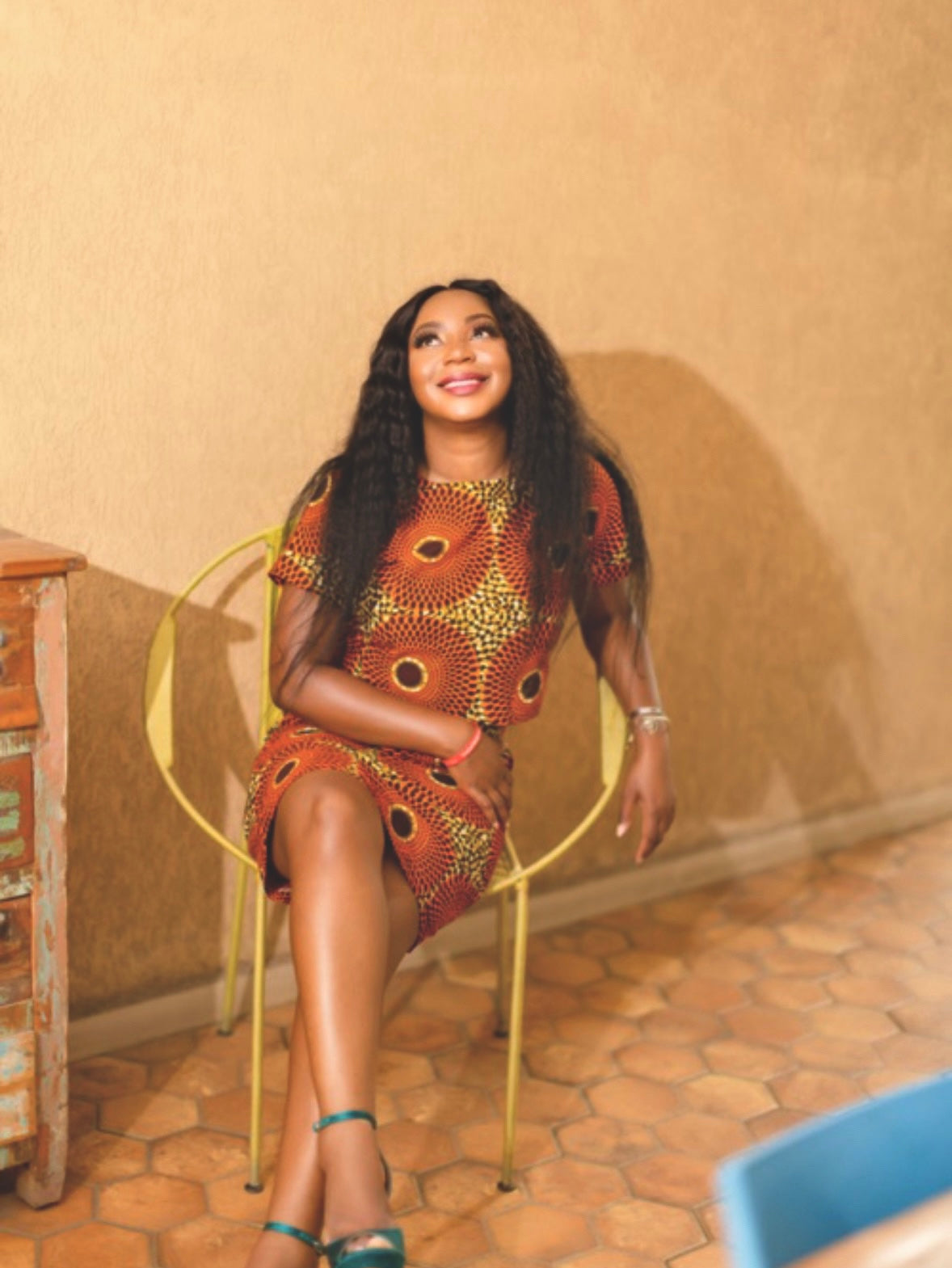
Abesi Manyando has built a career out of helping people be seen.
As a global publicist, brand strategist, founder of Abesi PR and 7th and Lotus, and author of Jarvais Po: The Secret Adventures of a Potato, her work sits at the intersection of storytelling, visibility and representation,but beneath the polish of the professional world is a woman whose own story is rooted in Zambian heritage, African creativity, dry humour, resilience and a deep belief in self-worth.
In this chapter of What Lies Beneath, Abesi reflects on kindness as a guiding principle, the difference between being kind and being nice, and the societal expectations women must often unlearn in order to live truthfully. She speaks about turning fear, loss and experiences of xenophobia into a creative ecosystem; about choosing herself without apology; and about the quiet power of boundaries, faith, humour and joy.
Here's What Lies Beneath, Abesi.
TSB - What is the quality you most admire in people, and how has that shaped the way you move through the world?
AM - Kindness. To me, it’s the most important quality. The world would be a very different place if everyone practised kindness.
TSB - What part of your heritage do you feel most deeply in your sense of self-expression?
AM - The part of my heritage that I feel most deeply in my self-expression is rooted in two things.The first is the creative and artistic aspect of my heritage, specifically, the way I infuse African creativity into my personal style, fashion and home decor. I love African prints, paintings, art, handbags, jewellery — everything about it. To me, these pieces are more than aesthetics; they tell stories, carry history and hold deep meaning.
My culture inspires me creatively in every aspect of how I present myself to the world, and I take pride in celebrating it openly.
The second is in the way I express myself linguistically. The way I structure language, communicate, process my thoughts and find humour in the most unusual things feels very African to me. My humour comes from a very Zambian and African place. It’s a dry, sarcastic, funny type of humour. I picked up so many traits from my parents, aunts and uncles, especially the ability to find humour and personality in the smallest things. At the end of the day, life is short and nothing is that deep.
TSB - What is your idea of beauty now, and how has that changed from what you were taught beauty should be?
AM - My idea of beauty is not monolithic. I see beauty every day in so many different forms, and that is reflected in the campaigns and creative work I produce. To me, beauty exists on a wide spectrum that surpasses social norms — different hues, sizes, features, ages, cultures and expressions. Beauty shifts depending on geography and perspective.
So, to me, beauty has less to do with society’s idea of perfection, because even that is derived from someone’s opinion. Beauty has more to do with confidence, self-awareness and owning whatever it is that makes you unique. It’s about being so secure in your own beauty that you can easily see beauty in others without feeling threatened, competitive or comparing yourself.
TSB - What do you consider your greatest act of self-invention?
AM - My greatest act of self-invention was turning my perspective and gifts into a world I wanted to experience. It was transforming my losses and fears into wins by never giving up, and turning my experiences with xenophobia and race into something that could shift perspectives and educate.
I face every fear and hurdles head-on. I turned my experiences with culture, people, art and life into the ability to shape narratives beautifully and tell stories that platform culture, identity and tradition, while elevating others through storytelling, public relations and visibility.
I didn’t just build a career. I built an identity, a voice and an ecosystem around the way I see culture, beauty, storytelling and people. I took my experiences as a Zambian woman with a global perspective, deep creativity and a sensitivity to representation, and transformed them into something tangible through 7th and Lotus and Abesi PR.
A lot of people are creative and observant, but my self-invention came from realising that my way of seeing the world had value and refusing to shrink it.
TSB - What is the trait you most value in yourself, especially in the spaces you’ve had to navigate professionally and personally?
AM - I don’t give up easily. I’m always open to learning, and I walk into every room as myself.
TSB - What societal expectation have you had to unlearn in order to show up more truthfully?
AM - I think our culture teaches women to be quiet, polite, accommodating, proper and secondary to men.
I do think it’s important to be respectful, but wanting to be nice and agreeable all the time often comes at the expense of being true to yourself, your own perceptions and your own convictions. It forces you to shrink yourself, which I don’t believe in.
There’s a difference between being kind and being nice. Being nice often aims to people-please, and that’s not healthy. I believe in boundaries, reciprocity and having a high sense of self-value.
TSB - When do you feel most powerful and what does that version of you look like?
AM - I feel most powerful when I honour my self-worth, honour the gifts and talents God has given me, and rise to meet my highest potential with no fear.
I feel powerful when I choose myself fully — saying yes to the things that fulfil me and no to what doesn’t serve me, while understanding that we all go through different seasons in life.
I feel powerful knowing that something I created, like Jarvais Po: The Secret Adventures of a Potato, is being used in school curriculums to teach children about bullying, self-worth and accepting each other’s differences.
I also feel powerful when I’m writing, creating or producing something that leaves people feeling seen, understood, better about themselves, or shifts their perspective in a positive way.
TSB - What is a piece of advice, wisdom or language from your upbringing that still lives beneath the surface of who you are today?
AM - My father’s perspective on life. He would say, “You can accomplish anything you put your mind to. Everything can be learned and mastered.”
I see that now. I started playing tennis again last year and, in the beginning, I struggled. But I committed myself to it because I love tennis, and with dedication I became good again and made the Atlanta Washington Park team.
TSB - What would you like people to understand about the layers beneath how you present yourself to the world?
AM - Most people see me in professional settings, so they don’t always get to experience me the way my family and close friends do. Outside of work, I’m very funny, lighthearted, nurturing, protective and deeply supportive of the people I love. I’m an athlete, and I’m so competitive when it comes to sports and games. I also truly love relaxing and enjoying life.
At the other end of the spectrum, I’m very intentional about my boundaries, energy and who and what I allow into my life and space. I’m a survivor, and my experiences have taught me that time is precious and should never be wasted or taken for granted.
Because of that, I have very little tolerance for selfishness, bad behaviour or anything that feels misaligned with my spirit or peace. Life has taught me to value what truly matters.
I take friendships, relationships and community very seriously because I believe genuine connection is rare and often irreplaceable. I don’t allow just anyone into my life, so when something no longer feels aligned, I have no problem walking away before it grows into something unhealthy or draining.
Experiencing loss also gave me a much deeper appreciation for life and time itself. It taught me there’s no rewind button, which is why I try to be present, intentional and appreciative of even the smallest moments.
I find a lot of joy in little things, and I think that perspective has made my life feel richer and more meaningful.
TSB - What Lies Beneath Who You Are?
AM - What lies beneath who I am is someone who is nurturing, creative, supportive and deeply optimistic about life.
I have a real zest for life and genuinely believe that anything is possible with vision, passion and persistence. I’m funny, I love my African culture, and I’m always inspired by people, culture, beauty and storytelling.
I’m also a tennis player, an award-winning children’s book author, and a creative who loves building worlds and ideas that make people feel seen, inspired and connected.
At my core, I’m someone who wants to keep creating, producing and reshaping narratives in ways that elevate culture, identity and representation, while bringing people together through storytelling and creativity.